


After the NFL Draft: The Pressure Shifts and So Should Your Leadership
When I found out the NFL Draft was coming to Pittsburgh, my mind immediately went into leadership mode. What leaders are coming to the city? How does the draft actually work? What does the HR structure look like within the NFL? How is the city preparing for something of this scale?
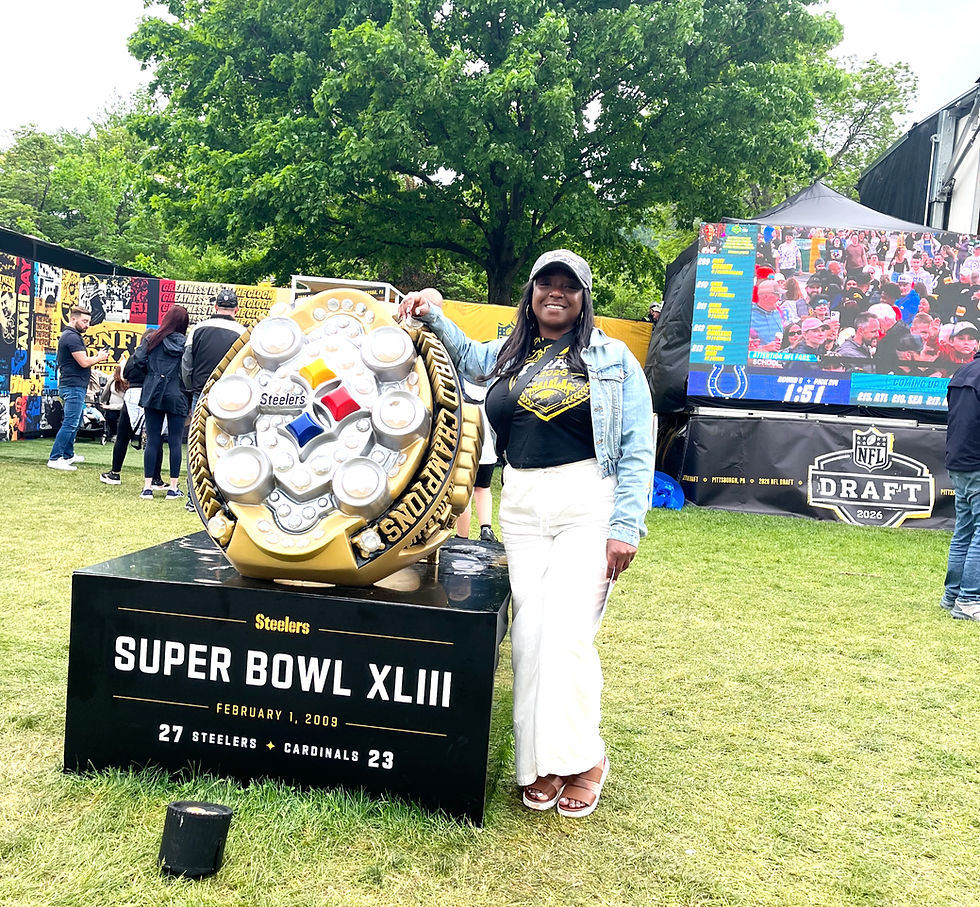
Businesses across the 412 prepared for what they expected to be a major surge in activity. Hotels, restaurants, and parking garages anticipated an influx of customers ready to spend.
But the reality looked different.
The experience was curated. Traffic was controlled, foot traffic was directed, and food and vendors were centralized. As a result, many businesses outside of that direct path did not see the customers they expected. The demand was there, but it was guided in a very specific way.
Leading up to the draft, parking garages increased prices, businesses staffed up, and many prepared for overflow traffic. However, attendees made different choices. Instead of navigating road closures and congestion, many opted for public transportation. I rode on the parkway during rush hour on Friday of the draft, and the ride was smooth. There was no traffic at all. Clear routes and accessibility made public transportation the easier option, leaving businesses outside of the core footprint with less traffic than anticipated.
This was not a lack of effort. It was a gap between expectation and strategy.
Reactive leaders focus on performing in the moment. They prepare for the rush, the pressure, and the demand. Intentional leaders take a 360 view before, during, and after. That is where true business acumen shows up.
Rest
After a high-pressure event, the first responsibility of a leader is to reset the pace. Sometimes we forget that focusing on ourselves is not selfish. It is necessary to lead well. Taking time to rest for yourself, while also encouraging your team to do the same, creates better outcomes across the board.
Teams are often coming off long hours, missed breaks, and constant movement. It is easy to jump right back into normal operations without acknowledging the impact. Strong leaders do the opposite. They intentionally create space for rest, encourage their teams to slow down, and model what sustainability looks like. Rest is not a reward for hard work. It is a necessary part of maintaining performance.
Realization
Once the pace slows down, leaders must move into realization. This is the moment to separate facts from assumptions and take an honest look at what actually happened. Not what was planned or expected, but what truly occurred.
Did customer demand match projections? Did pricing strategies work? Were staffing levels aligned with actual traffic?
Reviewing revenue, customer behavior, and operational performance provides clarity. Leaders who skip this step often rely on guesswork moving forward, which leads to repeated mistakes. Benchmark your data so you don't got to lead with chaos. You like being stressed?
Reflect
Reflection goes deeper than numbers. It requires bringing your team into the conversation. Employees experienced the event in real time, and their insights matter.
I worked for a company that frequently participated in tradeshows. If an item went missing, we had a system in place to track details and file claims if needed. Found out we needed a system once a lot of items went missing! Think about the NFL Draft. The props, lighting, equipment, and materials all need to be set up, broken down, and accounted for. Those details matter.
Taking the time to ask what worked, what did not, and where things broke down provides a more complete picture. It also creates an opportunity to recognize those who went above and beyond and identify where additional support may be needed. Reflection is not just about evaluating performance. It is about understanding the people behind the performance.
Refine
"An important ingredient to success has been getting our leadership team into the field." Ed Stack
As a leader, you cannot stand back and watch. You have to get in the game. Talk to your team. Understand what is needed, who may be carrying too much, and where adjustments should be made. That is the final step.
High-pressure moments are not rare in business. They are inevitable. The goal is not perfection. The goal is improvement. Leaders should take what they have learned and refine their approach moving forward. This might mean adjusting staffing plans, rethinking pricing strategies, or aligning expectations with real data instead of assumptions.


Comments